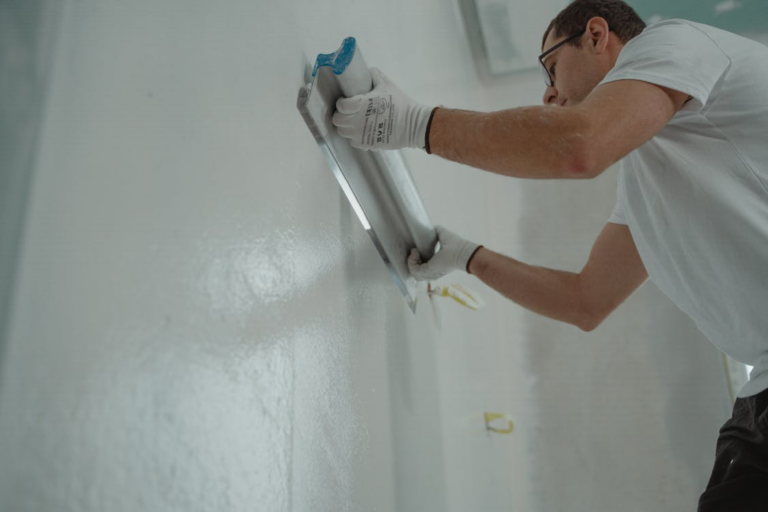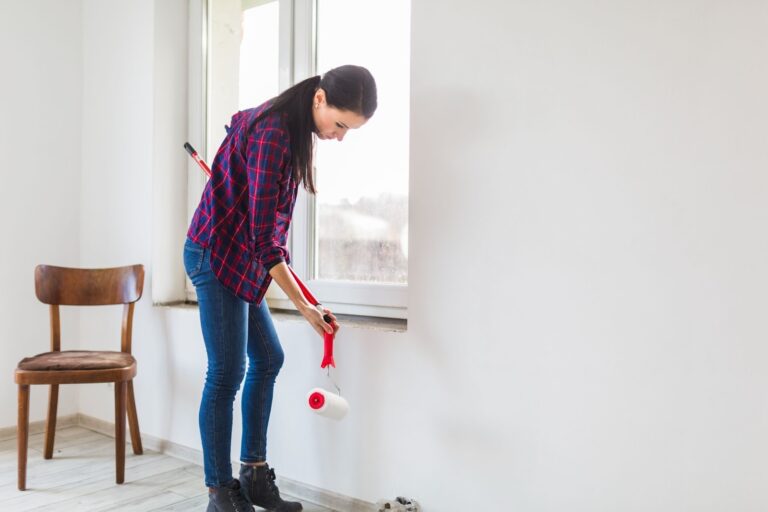
Peeling paint can make any home look messy and old, but you can fix it easily when you understand why it happens. With simple residential painting tips, you can remove damaged paint, prepare the wall properly, and make your new paint last longer. Everything becomes easier once you know the right steps. Let’s explore!
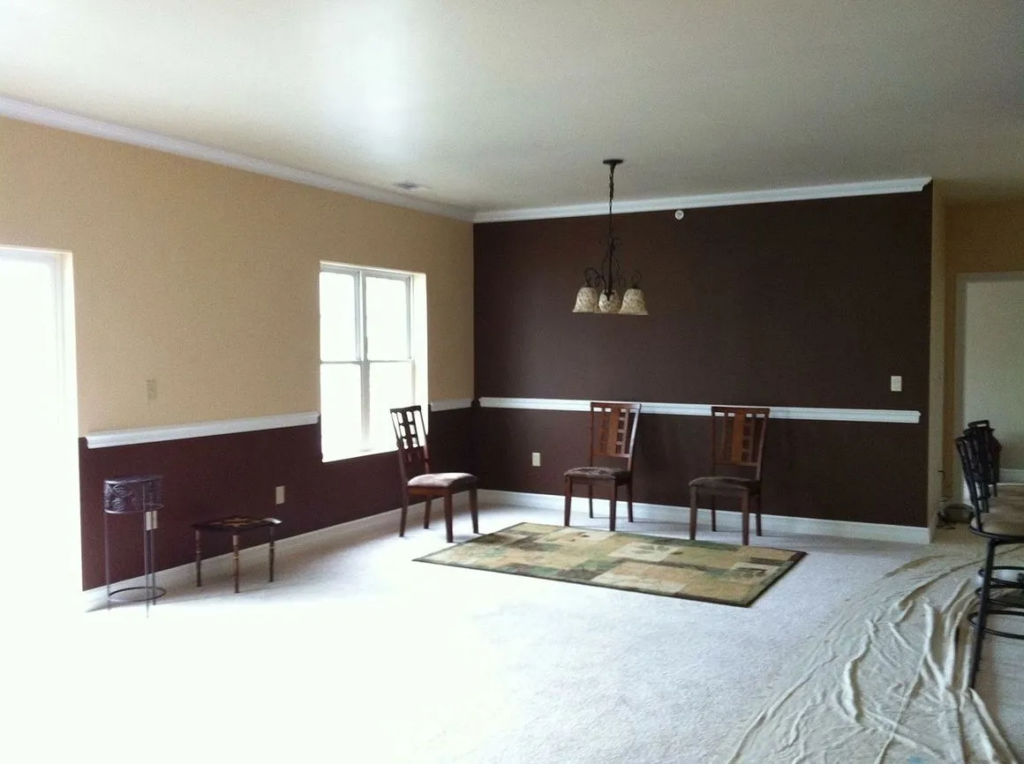
Why Paint Starts Peeling in the First Place
Peeling paint looks messy, and it can make your home feel old. However, you should know that peeling does not happen for no reason. Here are a few simple causes:
- The wall was dirty before painting.
- Moisture got trapped under the paint.
- Low-quality paint was used.
- The surface was not prepared well.
- Cracks or holes were painted over without fixing
“In residential defect studies, peeling was one of the most frequent paint problems, occurring in the majority of sampled buildings.” (Source)
“Most interior paints last around 5–10 years, depending on conditions like moisture and sunlight exposure.” (Source)
“On average, 55% of U.S. homeowners repaint every 5–7 years, showing how common repainting and maintenance are in residential spaces.” (Source)
Furthermore, when you understand these, you can fix peeling paint faster and make your walls last longer.
Why Peeling Paint Needs Quick Attention
Peeling paint might look like a small issue, but it can grow bigger if ignored. Moreover, once peeling begins, it spreads faster because the wall underneath becomes weak.
Here are a few reasons why quick action matters:
- The wall becomes damaged when exposed to moisture.
- The peeling area becomes larger day by day.
- Dust and dirt gather easily on peeled sections.
- The new paint won’t stick well if you delay fixing it.
How Professionals Help You Get Long-Lasting, Perfect Paint Results
Professional painters follow a step-by-step process to make sure your paint looks smooth and lasts for years. They handle everything carefully, so you never have to worry about peeling paint again.
- Remove Loose Paint the Right Way
When painters see peeling paint, they never paint over it. Firstly, they remove all loose paint carefully. They use tools like a scraper, a putty knife, and sandpaper. They are gentle, so the wall does not get damaged.
Moreover, by removing every loose piece, they make sure the new paint sticks smoothly. If this step is skipped, the paint can peel again—they know this well.
- Clean the Wall Carefully
After peeling, the paint is removed; secondly, they clean the wall fully. They use mild soap, clean water, and soft sponges to remove dirt, dust, and grease. Moreover, they know a clean wall helps paint stay stronger for a longer time.
- Fix All Wall Problems Before Painting
Moreover, they repair cracks, dents, and holes before painting. They use high-quality wall putty or spackling paste. They apply it smoothly, allow it to dry fully, and then sand it lightly. This makes the wall even and ready for painting.
Here is a simple table showing how painters handle each issue:
| Problem | What Painters Do | Why It Helps |
| Small holes | Fill with premium putty | Paint sticks better |
| Cracks | Repair with strong patch | Prevents peeling later |
| Rough spots | Sand smoothly | Creates smooth surface |
| Moisture issues | Inspect for leaks | Stops bubbling paint |
This table shows how painters plan every small step to make painting easier and stronger.
- Apply Primer for Stronger Adhesion
Also, professionals always use primer because they know it works like a glue layer between the wall and the paint. It helps the paint attach better and last longer.
However, many people skip primer, but professionals never do that. They understand that using primer prevents repainting sooner than expected.
Most professionals recommend a primer for areas like
- Kitchens
- Bathrooms
- Older walls
They choose the right primer based on the room’s needs.
- Choose the Right Paint for Every Space
They choose high-quality paint to make sure it lasts long. Moreover, they select paint based on the room:
- For bathrooms: moisture-resistant paint
- For kitchens: stain-resistant paint
- For living rooms: washable paint
- For bedrooms: low-odor paint
This helps the paint survive humidity, heat, and daily movement.
- Use the Best Painting Methods
Professionals know the right technique matters a lot. They follow the best methods, such as
- Rolling paint in one direction
- Avoiding too much pressure on the roller
- Applying thin coats, not thick ones
- Allowing each coat to dry completely
These steps create smooth, streak-free results. Moreover, correct techniques reduce the chance of future peeling.
Signs Your Paint Is About to Peel
Sometimes, paint gives warning signs before it actually starts peeling. You should notice these early signals:
- Tiny cracks are forming on the surface
- Small bubbles or blisters
- Paint looking faded in certain spots
- Wall feeling rough or uneven
- Slight discoloration
Moreover, when you catch these signs early, you can fix the problem before it becomes worse.
Humidity Control: The Secret to Paint That Lasts
Humidity is one of the biggest reasons paint peels. Professionals pay close attention to the humidity level in your home.
| Room | Ideal Humidity | Why It Matters |
| Bathroom | 40–50% | Prevents moisture damage |
| Kitchen | 40–55% | Reduces grease and steam |
| Living Room | 30–50% | Keeps walls smooth |
| Basement | 30–40% | Stops mold growth |
Moreover, when humidity is controlled, your paint stays fresh and strong longer.
Why Preparation Is More Important Than Painting
Many people think painting is only about choosing a color and applying it to the wall. However, professionals know that preparation is almost 70% of the job.
- It creates a strong base for the paint
- It prevents future peeling
- It makes the wall smooth
- It saves time and money later
- It helps the paint last for years
Moreover, a well-prepared surface always delivers beautiful results.
Keep Moisture Away After Painting
However, even with the best paint, moisture can damage the wall. So you should:
- Keep windows open for fresh air.
- Use exhaust fans in bathrooms.
- Control humidity with a dehumidifier.
Moisture is one of the biggest enemies of paint. So taking care of it helps your paint last longer.
Maintain Your Painted Walls
Lastly, you should take care of your walls regularly. You can:
- Wipe walls gently
- Fix cracks quickly
- Clean dust often
- Repaint when needed
When you maintain your walls, your home looks fresh, and the paint stays strong for years.
FAQs About Residential Painting
- How do I prepare my home before painting?
Prepare by cleaning walls, removing dust, covering furniture, and fixing cracks or holes. Proper prep ensures smooth paint adhesion and a long-lasting finish. Good preparation often saves time and prevents uneven textures during the final coat.
- Which paint finish is best for different rooms?
Kitchens and bathrooms do well with semi-gloss because it’s moisture-resistant. Living rooms look great with satin or eggshell finishes, while bedrooms often use matte or flat finishes for a calm look. Each finish works differently depending on the light and durability needs.
- How long does residential painting usually take?
Most homes take 2–7 days, depending on the number of rooms, prep work, drying time, repairs, and weather conditions. Larger homes or homes needing extra surface work may take longer, especially when applying multiple coats for high-quality coverage.
- How can I make my paint last longer?
Use high-quality paint, ensure proper surface prep, and apply at least two coats. Keep walls clean, avoid moisture buildup, and schedule touch-ups every few years. Regular maintenance significantly extends the life and appearance of interior paint.
Bringing Your Walls Back to Life With Confidence
Lastly, fixing peeling paint becomes easier when you follow the right steps and use smart residential painting tips. When your walls are prepared well, cleaned carefully, and painted correctly, the results stay strong for years.
And in the end, if you want a smooth, professional finish without stress, you can trust BK Painting to handle everything with care. Contact BK Painting today for expert-quality painting that transforms your home beautifully.