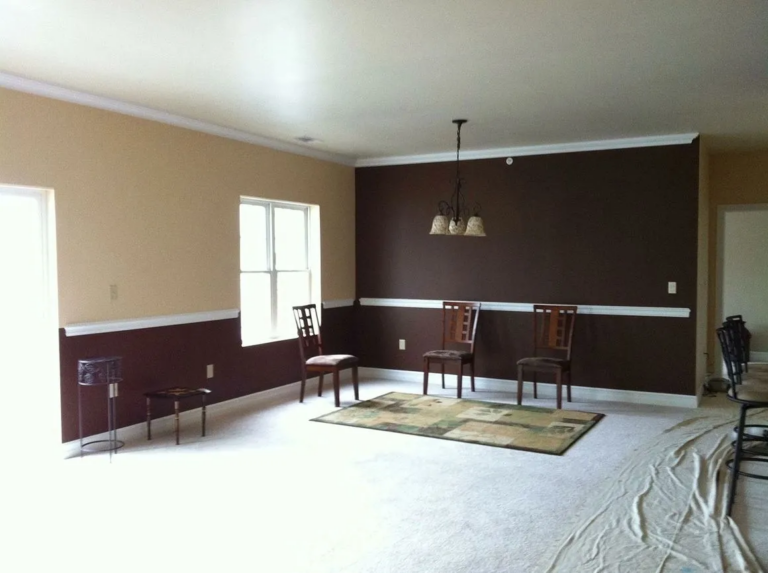
Understanding what trim is in painting helps you see why trim shapes the look of every room. In this blog, you will learn how trim frames your doors, windows, and floors, and why matching trim with wall colors makes your home feel balanced. You will also discover simple tips, steps, and color ideas that even a child can understand.
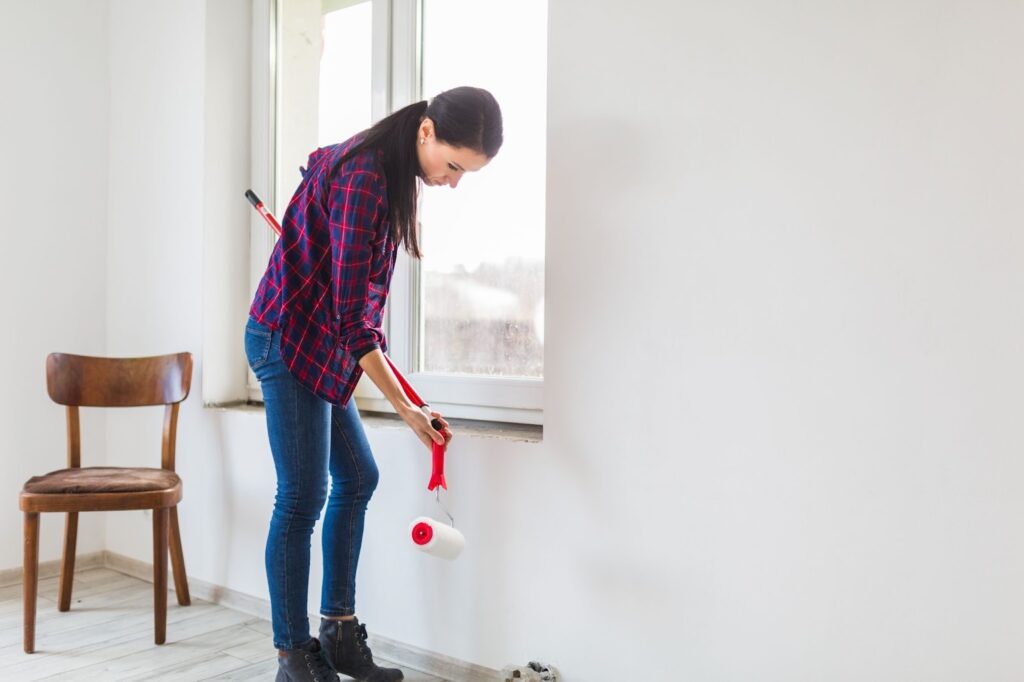
What is trim?
Firstly, you need to understand what “trim” means. Trim is the special wood pieces that go around your doors, windows, floors, and sometimes ceilings. These pieces make your home look neat and finished. When someone asks, “What is trim in painting?” the answer is simple: trim is the frame that helps your walls look cleaner and more beautiful.
Secondly, trim helps protect the edges of your walls. You know how you sometimes bump into doorways? That trim keeps the edges safe so the wall doesn’t break or crack.
Moreover, trim adds style. When you paint trim the right way, your home looks fresh, bright, and put together.
Why Matching Trim With Wall Colors Matters
When you match trim and walls correctly, your room starts to look balanced. You make your home feel bigger, brighter, or cozier with just color choices.
However, when the trim color doesn’t match the wall color style, your room can look messy or dull. You might feel something is “off,” but you can’t explain why. That “why” is usually the trim.
How to Match Trim With Wall Colors Correctly
Below is the step-by-step explanation in the simplest way.
- Choose Trim Color First or Wall Color First?
You can choose either, but many homeowners pick the trim color first because trim stays the same for many years. Wall colors change more often.
- If you pick white trim, you can pair it with almost any wall color.
- If you pick dark trim, choose lighter walls so the room doesn’t feel heavy.
- Use Contrast for a Beautiful Look
Contrast means two colors look different but good together.
For example:
- Light walls + dark trim
- Dark walls + white trim
- Soft pastel walls + bright white trim
Contrast makes your room pop.
- Keep Trim Color Consistent in the Same Area
Moreover, if you use the same trim color across your hallway, living room, and kitchen, your home feels connected. Rooms flow together better when trim doesn’t change color every time.
- Check Lighting Before Choosing Colors
Lighting changes everything. Sunlight, lamps, and shadows can make colors look different. So, you should always test your wall paint and trim paint under the same light your room uses.
- Understand Finishes
Trim usually uses semi-gloss or high-gloss finishes because:
- they look shiny
- they are easier to clean
- they last longer
Walls usually use matte or satin finishes, which feel softer and calmer.
- Use the Correct Paint Type
Trim needs stronger, more durable paint because it gets touched and bumped more often. Wall paint is softer, so it can mark or scratch easily. Using the right trim paint helps you prevent chipping and keeps your home looking neat and fresh longer.
Simple Color Matching Guide to Help You Pick the Perfect Trim
| Trim Color Style | Wall Color Match | Best For |
| Bright White | Any color | Clean, modern look |
| Cream/Off-White | Warm colors | Cozy feeling |
| Dark brown/Black | Light neutrals | Bold, elegant look |
| Wood trim | Earthy tones | Natural style |
When You Should Call a Professional for Trim and Wall Color Matching
- When Colors Look Different in Every Room
Lighting can change color shades, making your choices confusing. A professional helps you compare samples correctly, understand undertones, and pick trim colors that stay consistent throughout your home, no matter how the light shifts.
- When You Want a Smooth, Perfect Finish
Trim needs steady hands and careful detailing. Professionals use the right tools, brushes, and techniques to avoid drips, uneven lines, or rough edges. Their experience ensures your trim looks clean, polished, and beautifully matched with your walls.
- When You’re Unsure About Paint Types
Choosing between matte, satin, semi-gloss, and high-gloss can feel overwhelming. Professionals understand how each finish performs on trim and walls, helping you select the best combination for durability, easy cleaning, and a long-lasting, flawless appearance.
- When Your Home Has Complex Trim Designs
Some homes have detailed trims, crown moldings, and layered edges that are hard to paint on your own. A professional ensures every curve, corner, and edge is painted evenly, giving your space a high-quality, coordinated look.
Why Trim Affects How Big a Room Looks
Trim can make your room feel taller or wider. For example:
- White trim against a dark wall makes ceilings look higher.
- Dark trim around light walls makes windows stand out.
- Matching trim to your wall color makes the room feel soft and smooth.
So yes, picking trim and wall colors carefully can really change how big your room feels.
Benefits of Trim in Your Home
- Makes Your Rooms Look Finished: Trim frames your doors, windows, and floors, giving your room a clean, complete look. Without trim, edges look plain and unfinished.
- Protects Wall Edges from Damage: Trim guards’ corners and edges where you walk, move furniture, or open doors. It keeps the walls from chipping, cracking, or getting dented.
- Helps Hide Gaps and Imperfections: Walls and floors don’t always meet perfectly. Trim covers small spaces, uneven edges, and construction flaws so the room looks smooth and neat.
- Adds Style and Personality: Trim can make your home feel modern, classic, elegant, or cozy. Different trim shapes and colors change the whole mood of a room.
- Makes Colors Look More Balanced: Trim helps your wall colors stand out. White trim brightens a room, dark trim adds bold contrast, and wood trim creates a natural feel.
- Increases Home Value: Well-painted trim makes your home look cared for. Buyers love clean lines and fresh paint, which increases overall appeal.
“Interior painting typically provides an average 107% ROI, meaning you could get back more in increased home value than what you spend on paint and labor.” (Source)
“Professional interior painting can boost resale value by 2–5%, helping your house look fresh and well-maintained—which buyers notice immediately.” (Source)
- Easier Cleaning and Maintenance: Trim uses stronger paint, so it’s easier to wipe down, clean, and keep looking fresh—especially around high-traffic spots.
FAQs
- Why is trim important when painting a room?
Trim makes your room look neat and complete by framing doors, windows, and floors. It also protects wall edges from damage and helps colors look balanced, giving your space a cleaner and more polished appearance.
- How do I choose the right trim color for my walls?
Choose trim based on whether you want contrast or harmony. Light trims brighten rooms, while darker trims add bold style. Always test samples in your room’s lighting to see how the colors actually look before deciding.
- Should trim paint be gloss or matte?
Trim should use semi-gloss or gloss paint because it is stronger, easier to clean, and lasts longer. Matte paint suits walls better since it hides marks and creates a softer, smoother finish that feels calm and natural.
Bringing Your Trim and Wall Colors Together Beautifully
In the end, you now understand what trim is in painting and how you can match trim with wall colors correctly. You learned what “trim” means, how colors work together, and how you can avoid common mistakes so your home looks its best. Moreover, when you use simple steps and the right paint types, you create a room that feels clean, bright, and balanced.If you ever need expert help with painting and trim perfection, you can count on BK Painting to guide you with professional quality and care. They handle every detail with care. Get in touch today and transform your home with colors that truly stand out.