Planning to refresh your home with trending wallpaper? Before you start, learn how to remove stubborn wallpaper safely without damaging your walls.
DIY methods can lead to costly mistakes like surface tears and moisture damage. Discover why choosing professionals ensures careful removal, protects your walls, and prepares the perfect smooth base for your new design.
Let’s Discover How This Do-It-Yourself Stubborn Wallpaper Removal Method Can Cause Five Damages!
When you attempt to remove stubborn wallpaper without professional knowledge or tools, several types of damage can occur. These are not minor issues; they can affect the entire finish of your walls and increase renovation costs.
For example, “removing old wall covering is usually smarter for better adhesion and smoother results. Pasting over it can cause peeling and visible seams. If you must cover it, sand, repair loose areas, and clean thoroughly first.” (According to HowStuffWorks)
If you try to rush the job yourself, you could face costly mistakes that require patching, replastering, or even replacing drywall. Here are five common problems you may face when removing stubborn wallpaper on your own:
- Drywall Surface Tearing
One of the most common problems happens when you pull wallpaper forcefully. The adhesive often bonds strongly with the drywall surface.
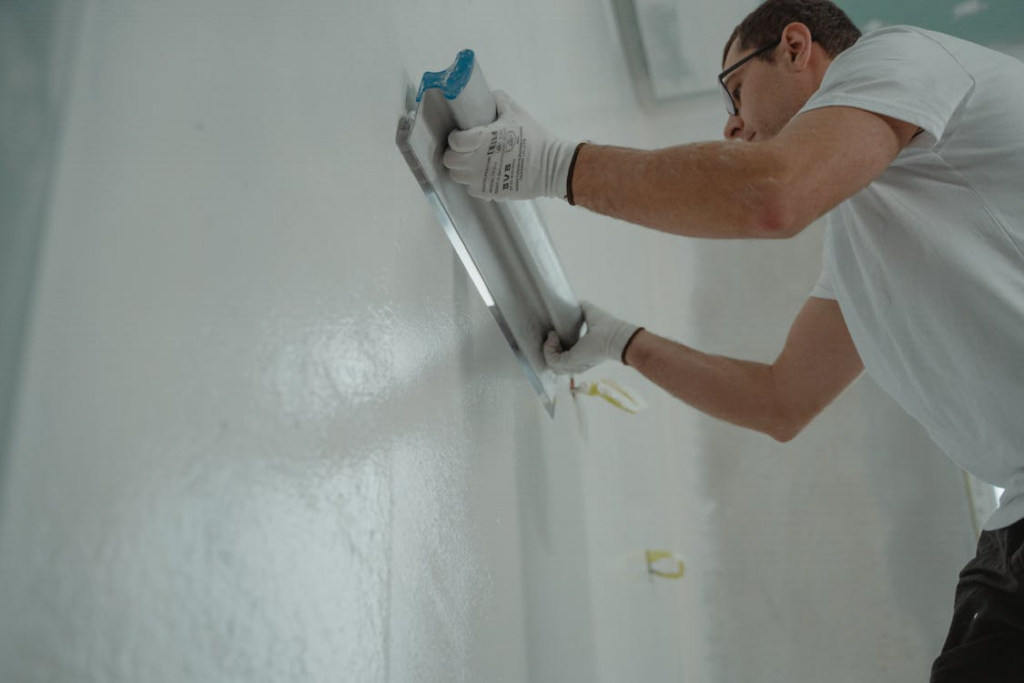
Expert Advice from Fine Homebuilding: “If walls are heavily damaged, repair deep spots with Durabond, then skim-coat using USG All Purpose compound. Roll on a thinned first coat, smooth with a 24-inch blade, recoat, sand, and prime.”
When you rip it off, it can tear the paper layer of the drywall itself. This leaves fuzzy, uneven patches that require sanding, sealing, and sometimes complete panel replacement before repainting or re-wallpapering.
- Deep Scratches and Gouges
Many homeowners use metal scrapers or sharp tools without knowing the correct angle or pressure. Instead of removing only the wallpaper, the tool digs into the plaster or drywall underneath.
Furthermore, “wallpaper adds personality, hides imperfections, and refreshes any room affordably. Don’t feel intimidated; proper preparation makes hanging easy.” (According to the Portugal News)
These scratches may not seem serious at first, but once you apply paint, every imperfection becomes visible under light.
- Excess Water Damage
A common DIY technique involves soaking wallpaper with water or homemade solutions. While moisture helps loosen adhesive, too much water can seep into drywall. This weakens the structure, causes swelling, and may lead to bubbling or warping.
In some cases, trapped moisture encourages mold growth inside the wall, which becomes a serious health and structural concern.
For example, “mold thrives on moisture from leaks, floods, humidity, or poor sealing. Remove all visible growth and fix the water source immediately, solving the root cause, preventing costly damage, and keeping your home safe.” (According to the U.S News)
- Stubborn Adhesive Residue
Even after the wallpaper is removed, glue residue often remains. If you skip thorough cleaning, the leftover adhesive can react with new paint or wallpaper.
For instance, “after removing old wallpaper, sticky paste often remains. If not cleaned completely, it can cause peeling, uneven paint, dust buildup, and leave your walls feeling rough.” (According to the Wall Blush)
So, you may notice peeling edges, uneven texture, or bubbling after the new finish is applied. Fixing this later means starting over again.
- Hidden Structural Cracks Becoming Worse
Old wallpaper sometimes hides cracks in plaster or minor wall damage. For example, “wallpaper can cleverly hide small cracks, bumps, and minor wall flaws, giving your space a fresh look. Just repair major holes and clean the surface first for a smooth, lasting finish.” (Information from the Decco Print)
When you remove it aggressively, those weak areas can break further. What was once a hairline crack may expand, leading to additional patching work and higher repair expenses.
These damages show that DIY removal is not always as simple or cost-effective as it seems. What starts as a weekend project can easily turn into a long repair process.
How to Remove Stubborn Wallpaper Safely Without Damaging Your Walls? 7 Ways Professionals Follow!
Professionals approach wallpaper removal with patience, planning, and precision. Instead of rushing, they follow a structured process to protect your walls and ensure a smooth finish.
- Detailed Wall Assessment
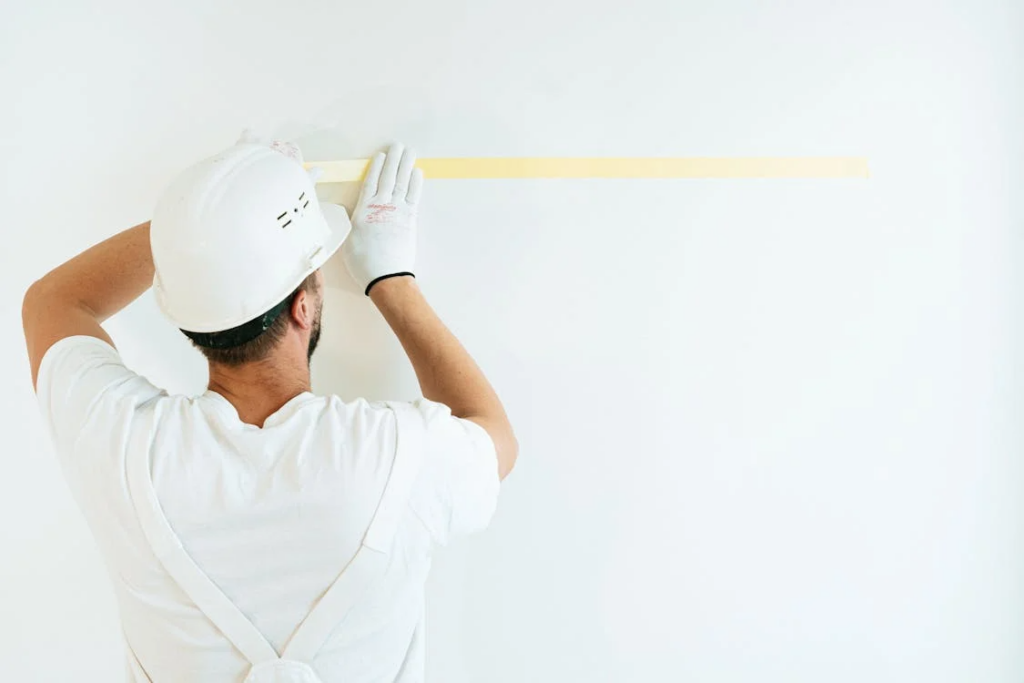
Before touching the wallpaper, professionals carefully examine the wall type and condition. According to the Wall Covering, “after removing old wallpaper, sand or treat adhesive, rinse, dry, repair damage, remove mold with diluted bleach, and prime well.
Ensure existing wallpaper is secure, clean, smooth, and firmly bonded before rehanging.” Drywall, plaster, and painted surfaces react differently to moisture and scraping. By identifying the material first, they choose the safest method for removal.
- Identifying Wallpaper Type
Not all wallpaper is the same. Some are peelable, some are strippable, and others are traditional pasted wallpaper. Professionals test a small section to understand how strongly it is bonded. This prevents unnecessary force and damage.
- Controlled Scoring Technique
When wallpaper needs scoring to allow solution penetration, experts use specialized tools designed to create tiny perforations without cutting into the wall underneath. The key is applying light, even pressure rather than aggressive scratching.
- Measured Application of Removal Solution
Instead of flooding the wall with water, professionals apply a controlled amount of warm water or commercial wallpaper remover. They allow it to sit for the correct duration so the adhesive softens naturally. This reduces stress on the wall surface.
- Professional Steaming for Tough Adhesive
For extremely stubborn wallpaper, trained technicians may use a wallpaper steamer. Steam loosens adhesive effectively while minimizing wall damage when handled correctly.
- Gentle and Proper Scraping Angle
Experts use wide, flat scrapers and maintain the correct angle to lift wallpaper smoothly. They work slowly in sections rather than pulling large areas at once. This careful technique protects the wall beneath.
- Final Surface Cleaning and Preparation
Once the wallpaper is removed, professionals clean off every trace of adhesive. They may lightly sand the wall to ensure smoothness and apply a primer if necessary.
“Start with a perfectly smooth, clean wall; wash away dust and grease using warm soapy water and a microfiber cloth, then let the surface dry completely before hanging for flawless wallpaper results.” (According to the Homes & Gardens Magazine)
This preparation ensures that your new paint or wallpaper adheres perfectly and lasts longer.
Frequently Asked Questions!
- Can Wallpaper Removal Damage Your Walls?
Yes, it can if done incorrectly. Pulling wallpaper forcefully or over-soaking the surface may tear drywall, cause scratches, or leave deep gouges. Proper technique and controlled moisture are essential to protect the wall underneath and avoid costly repairs later.
- Why Is Stubborn Wallpaper Hard to Remove?
Over time, wallpaper adhesive hardens and bonds tightly to the wall surface. Multiple layers, painted-over wallpaper, or strong paste make removal more difficult. Without the right tools and methods, it becomes a slow and frustrating process.
- Is Using Water Enough to Remove Wallpaper?
Water can help loosen adhesive, but too much can damage drywall and cause swelling. The key is applying the right amount and allowing it to sit properly. Professional solutions and steamers often provide safer and more effective results.
- Why Hire Professionals for Wallpaper Removal?
Professionals inspect the wall type, use proper tools, control moisture, and fully clean adhesive residue. This ensures a smooth, damage-free surface ready for new paint or wallpaper, saving you time, stress, and unexpected repair costs.
Get the Expert By Calling BK Painting!
If you’re wondering how to remove stubborn wallpaper without causing damage, the safest and smartest choice is working with professionals who understand the process inside and out.
At BK Painting, we bring the right tools, proven techniques, and hands-on expertise to every project. With us, you get skilled workmanship, safe removal methods, careful surface preparation, and clean, timely service.
We focus on protecting your walls so your new paint or wallpaper looks flawless. Let us help you avoid costly mistakes and achieve a smooth, stress-free home upgrade done the right way.